
Sweet Potato

Sweet potatoes are an important crop grown in the fertile soils around Srayang. They are harvested by hand and enjoyed throughout Cambodia, either boiled, roasted, fried or used in desserts. Sweet potatoes are rich in fibre, vitamin A and vitamin C, making them a nutritious addition to a healthy diet. Their natural sweetness and slow-releasing carbohydrates provide long-lasting energy, making them popular with farmers and active families. Both the roots and young leaves can be eaten, with the leaves often used in stir-fries and soups.
Cassava
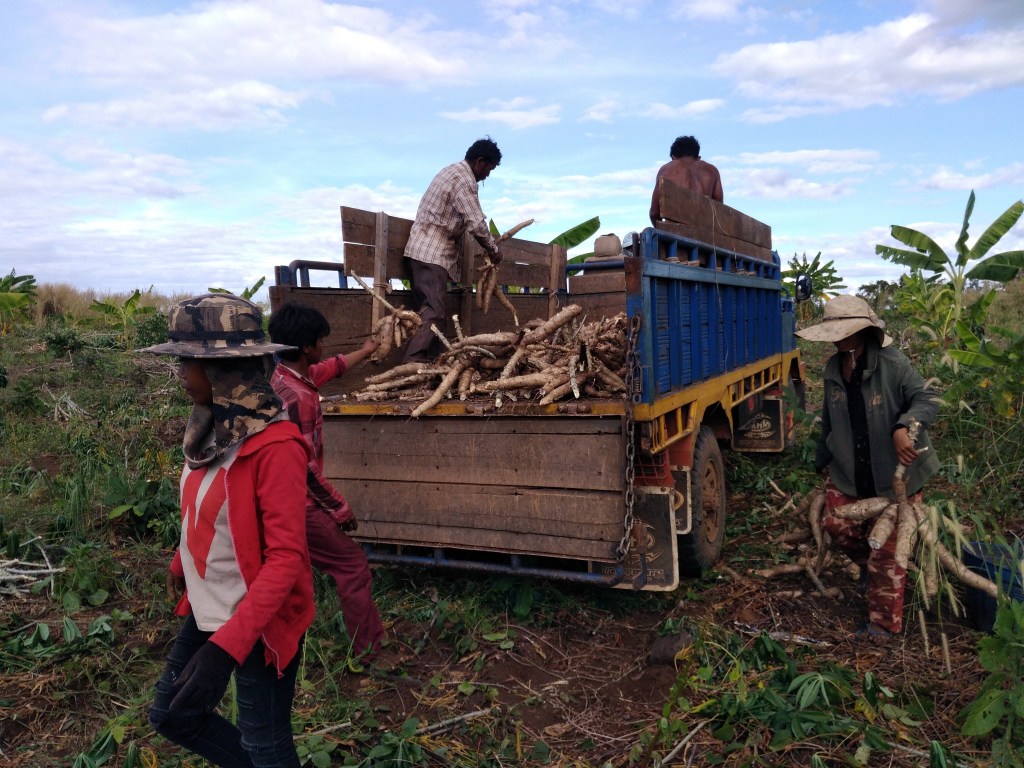
Cassava is one of Cambodia’s most valuable cash crops and is widely grown throughout Preah Vihear Province. The starchy roots are processed into flour, starch, and animal feed, while much of the harvest is exported to neighbouring countries. Cassava is an excellent source of carbohydrates and provides energy for millions of people around the world. Before eating, fresh cassava must be properly prepared to remove naturally occurring compounds that can be harmful if consumed raw.
Rice
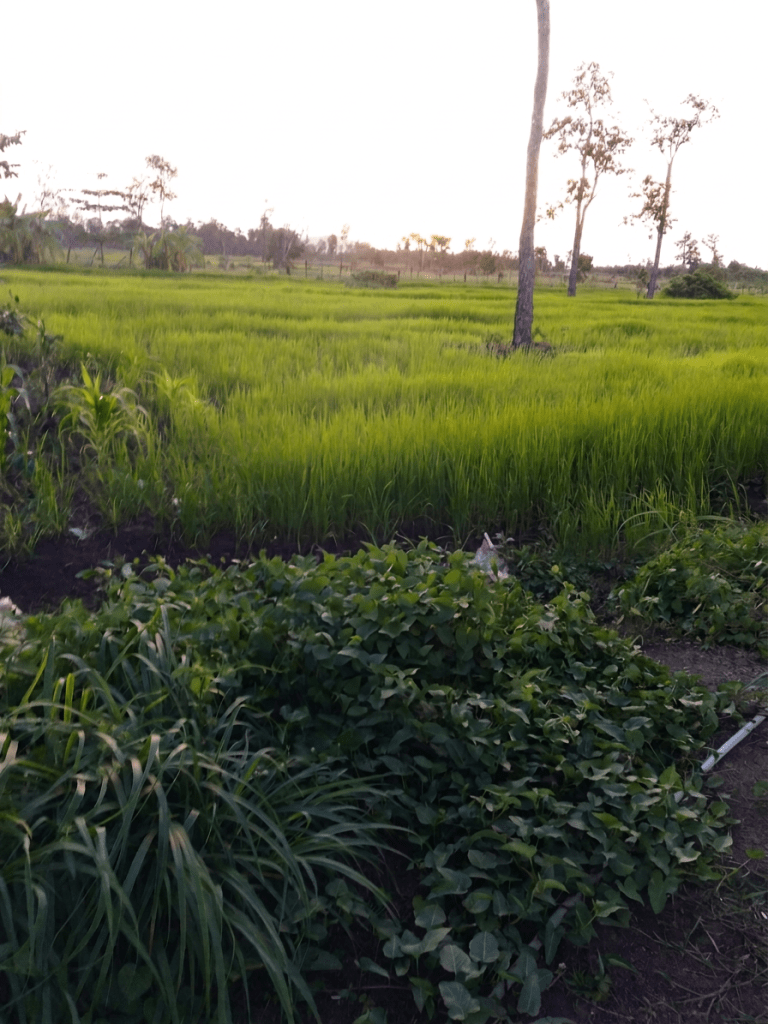
Rice is the heart of Cambodian agriculture and has been grown for thousands of years. Vast rice fields surround many villages during the rainy season, turning the countryside a vibrant green. Rice provides the main source of energy for much of the population and is naturally low in fat. Brown rice also contains fibre, B vitamins and minerals that support digestion and overall health. Harvest season is one of the busiest and most important times of the farming year.
Mango

Rice is the heart of Cambodian agriculture and has been grown for thousands of years. Vast rice fields surround many villages during the rainy season, turning the countryside a vibrant green. Rice provides the main source of energy for much of the population and is naturally low in fat. Brown rice also contains fibre, B vitamins and minerals that support digestion and overall health. Harvest season is one of the busiest and most important times of the farming year.
Mango
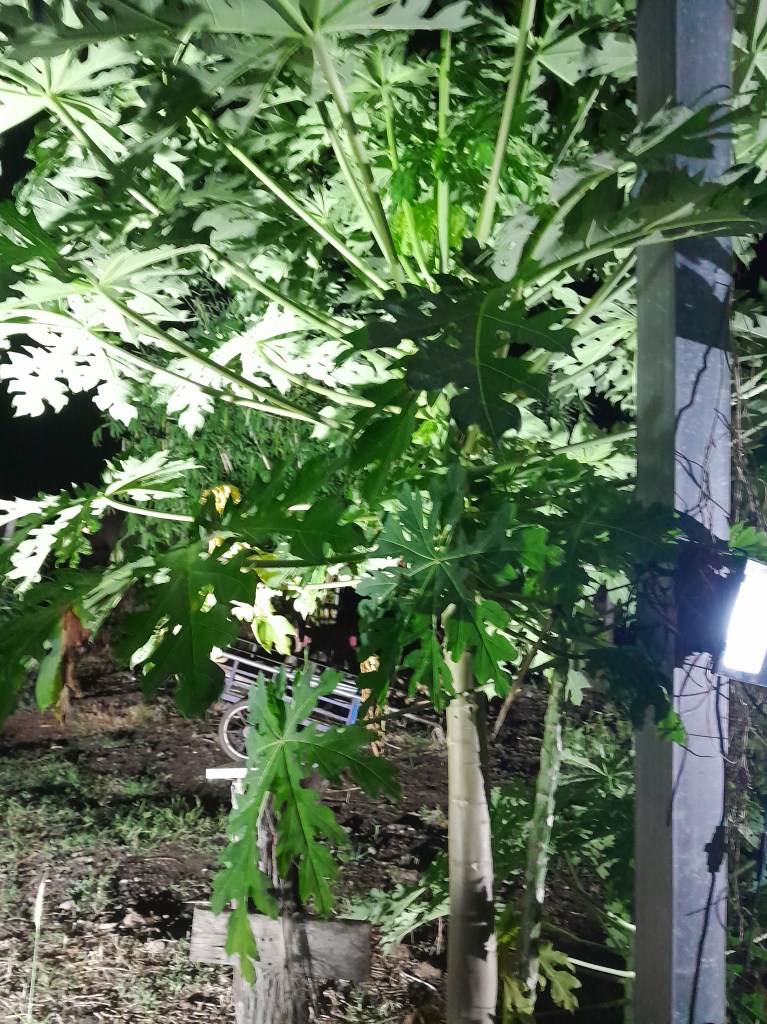
Mango trees thrive in Cambodia’s warm tropical climate and produce delicious fruit during the dry season. Mangoes can be eaten fresh, dried or used in juices, desserts and traditional dishes. They are rich in vitamin C, vitamin A and antioxidants, which help support the immune system and healthy skin. Green mangoes are also popular in Cambodian cuisine, often served with chilli and salt as a refreshing snack.
Mung Bean

Mung beans are small green legumes that are highly valued for both nutrition and versatility. They are commonly used in soups, desserts, noodles and bean sprouts. Mung beans are an excellent source of plant-based protein, fibre, folate and minerals such as magnesium and potassium. They help support digestion, heart health and provide steady energy. Because they naturally improve soil fertility by fixing nitrogen, they are also beneficial in crop rotation systems.
Pumpkin
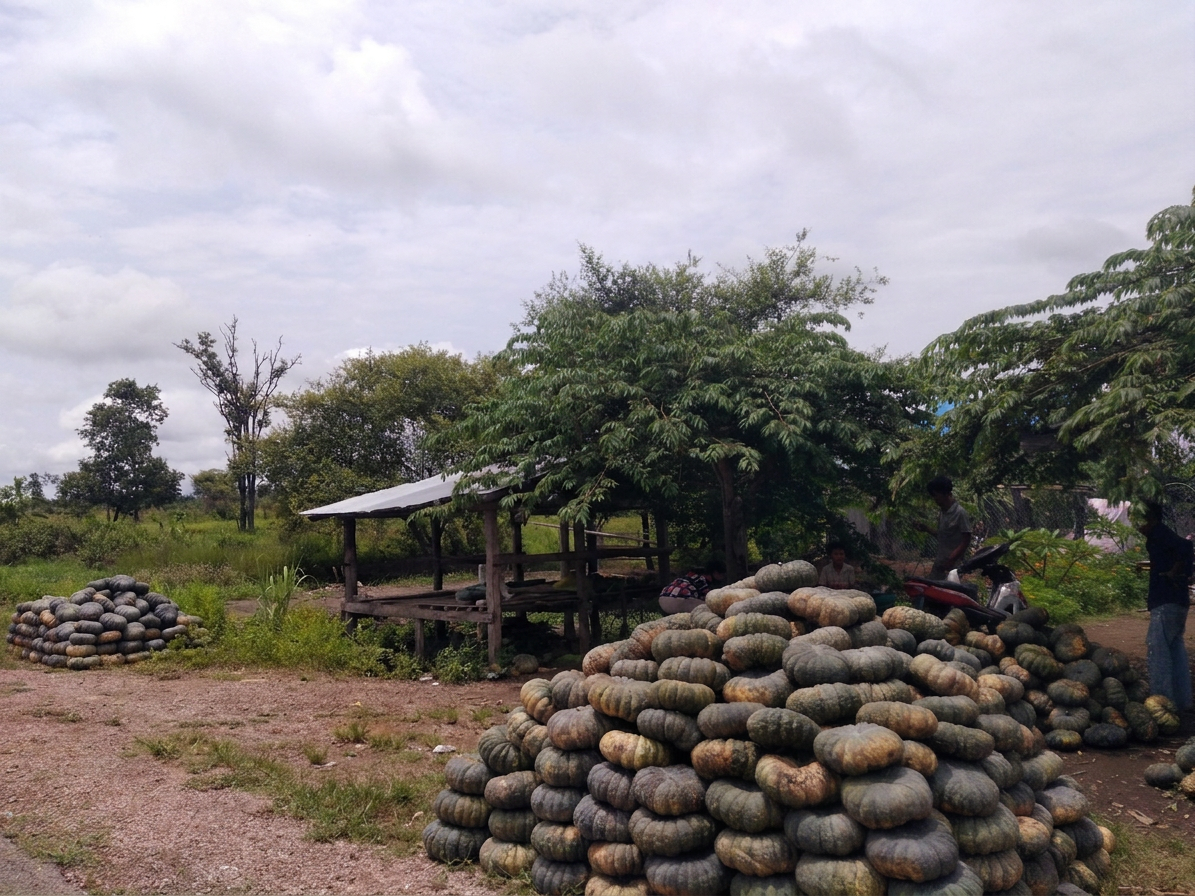
Pumpkins are widely grown in home gardens and farms across Cambodia. Both the flesh and seeds are edible and highly nutritious. Pumpkin is rich in beta-carotene, which the body converts into vitamin A to support healthy eyesight and the immune system. It also provides vitamin C, fibre and potassium. The seeds contain healthy fats, protein and minerals such as zinc and magnesium. Pumpkins are used in soups, curries, desserts and many traditional Cambodian dishes.
 farmsrayang.com